
Urgency is not noise, it’s need.
If you’ve ever driven from east to west across Toronto, you’ve felt that strange current of chaotic immediacy that seems to live on our roads. Honking. Sudden swerves. A simmering impatience that flares the moment someone hesitates. It’s a now-or-never energy, as if getting to the next stoplight is somehow a measure of our worth.
I felt it again the other day as a passenger. The destination wasn’t an emergency. It wasn’t even work. It was Ikea.
And still, there we were, sitting in a bubble of manufactured urgency. I caught myself wondering how much of this comes from the culture we live in, the pressure that tells us every minute has to matter, every delay is a failure, and movement equals worth.
The last few weeks have been spent in a place where urgency looks entirely different. Stepping off the plane in Nairobi this November felt familiar and warm. The air carried that mix of floral and red-earth scent I’ve come to love, and the faces of friends who feel like family reminded me why this place holds such meaning for me.
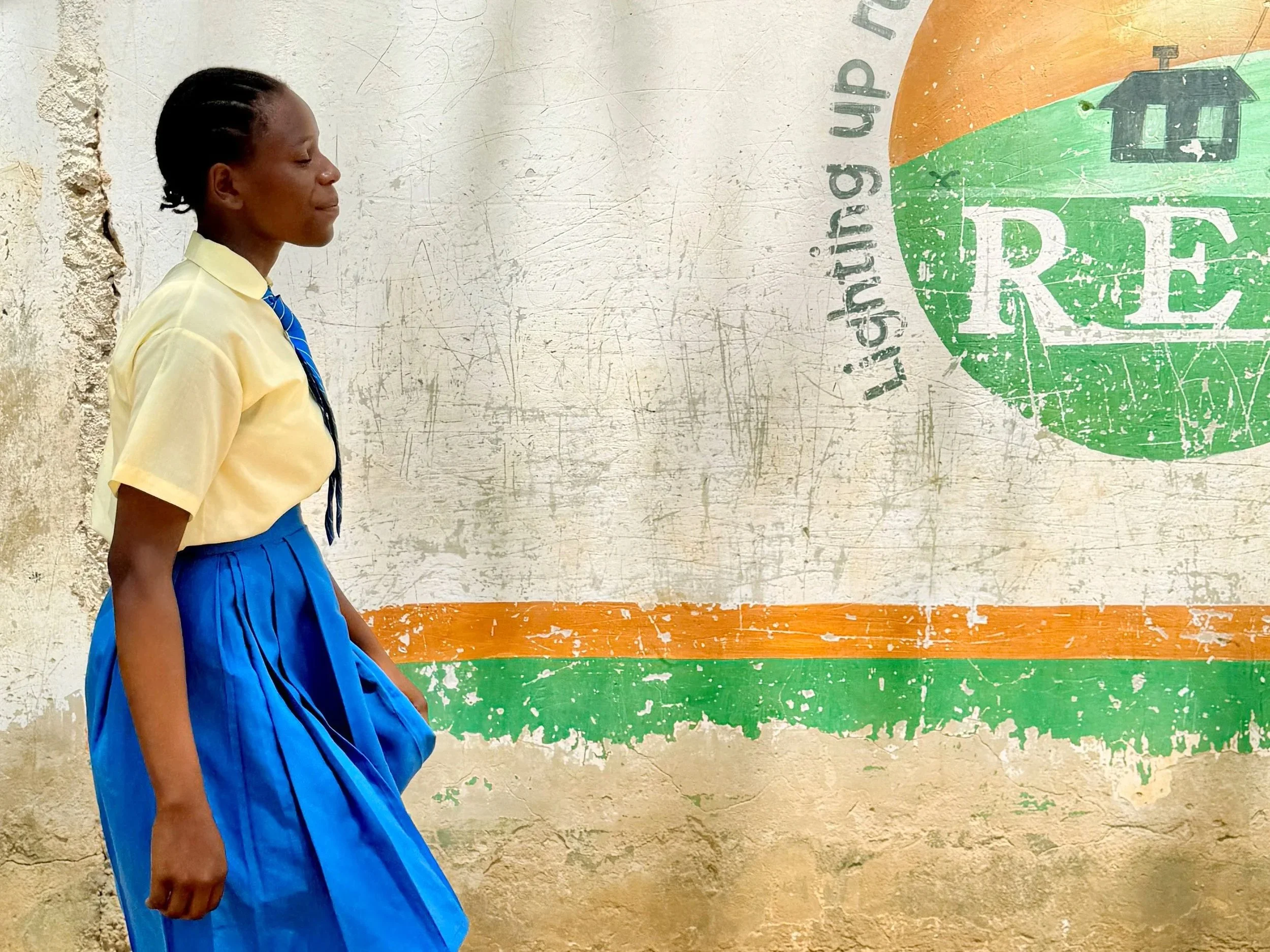
From the capital, I travelled east to Kilifi, a place that has become sacred to me. It is where forty-two students begin each day with something many of us rarely pause to consider: the chance to learn. A classroom. A desk. A teacher who knows their name. The kind of foundation that can change the arc of a life.
As my days unfolded, the meaning of urgency shifted again. It revealed itself not in noise or busyness, but in the quiet realities of people doing their best with very little.
One afternoon I met Mercy, a young mother still a girl herself at seventeen, caring for her two-week-old baby. What she needed was immediate and human: a clinic visit, nutritious food to keep her strong, and a steady hand on her shoulder.
Moments like this redefine urgency. It becomes the simple truth that support is needed now, not someday. Mercy will enter our education program next year, and with that begins the slow, essential work of lifting one life into possibility.
“These are the moments that shape our work.”
Not big gestures or sweeping programs, but the steady commitment to meet real needs as they arise. In Kilifi, urgency is not theoretical. It shows up in the lives of students who need lunch to stay focused in class, in the cost of a uniform that determines whether a child attends school, and in the quiet needs of a young mother like Mercy who deserves a safer beginning for herself and her baby.
As we look toward 2026, our commitment is growing. More students are waiting for a place in our program. More young women need support to stay in school or return to it. And more families are turning to us because they believe education can lift a child into a different future.
This is where you come in.
This season, every donation to The Nyakim Project will be matched, dollar for dollar, by a generous partner who believes in this work as deeply as we do. Your gift goes twice as far. It reaches twice as many students. And it meets urgent needs the moment they appear.
A matched gift can cover school fees for a child who would otherwise stay home. It can provide lunches that keep a student focused and strong. It can give a young mother like Mercy the first real foothold toward stability.
“Urgency, I’ve come to understand, is not the rush of a clock or the pressure of a busy day.”
It’s the quiet pulse of a child waiting for a chance. It’s the steady heartbeat of a young woman holding her newborn, hoping tomorrow will be kinder. It’s the belief that if we step in now, even with something small, a life can shift.
When you give, especially in this season when your gift is matched, you become part of that shift. You help write a different story for a student in Kilifi. You make room for possibility where there was once only scarcity.
This work happens one life at a time. It’s carried forward by a community that cares. And when we respond to need with steadiness and compassion, a child’s future begins to shift.
Karen Francis
